A data processing framework for humans
Everything is entertainment data (until proven otherwise)
A single rule for receiving information without needing to know, right now, whether it is true: flag everything as entertainment data first, and let the truth value stay empty until something fills it.

It’s late, and there is a new video. A pale shape over a runway, three witnesses, a retired officer testifying under oath that the government has known for decades. The comments are split between “this changes everything” and “obvious CGI”. And there it is, the feeling I know too well: I want to know whether this is true. So badly. Right now. And I have no way to find out.
I had that feeling a lot for a couple of years. I called it UFO anxiety. Not fear of aliens — a need to know, with nothing to satisfy it. Every new clip, every whistleblower, every debunking promised the answer and never delivered it, because the next clip reopened the case.
Two events, not one
The problem, I eventually noticed, was not the content. It was that I treated receiving a piece of information and settling whether it was true as a single event. Something reaches my eyes, and by the time it has finished arriving I am already straining to resolve it. There is no gap. The anxiety lived in that strain.
Computers do not work like that. Data arrives, it gets stored as it came, and deciding what it means is a separate step that can happen later or never. I decided to give myself the same architecture.
The label
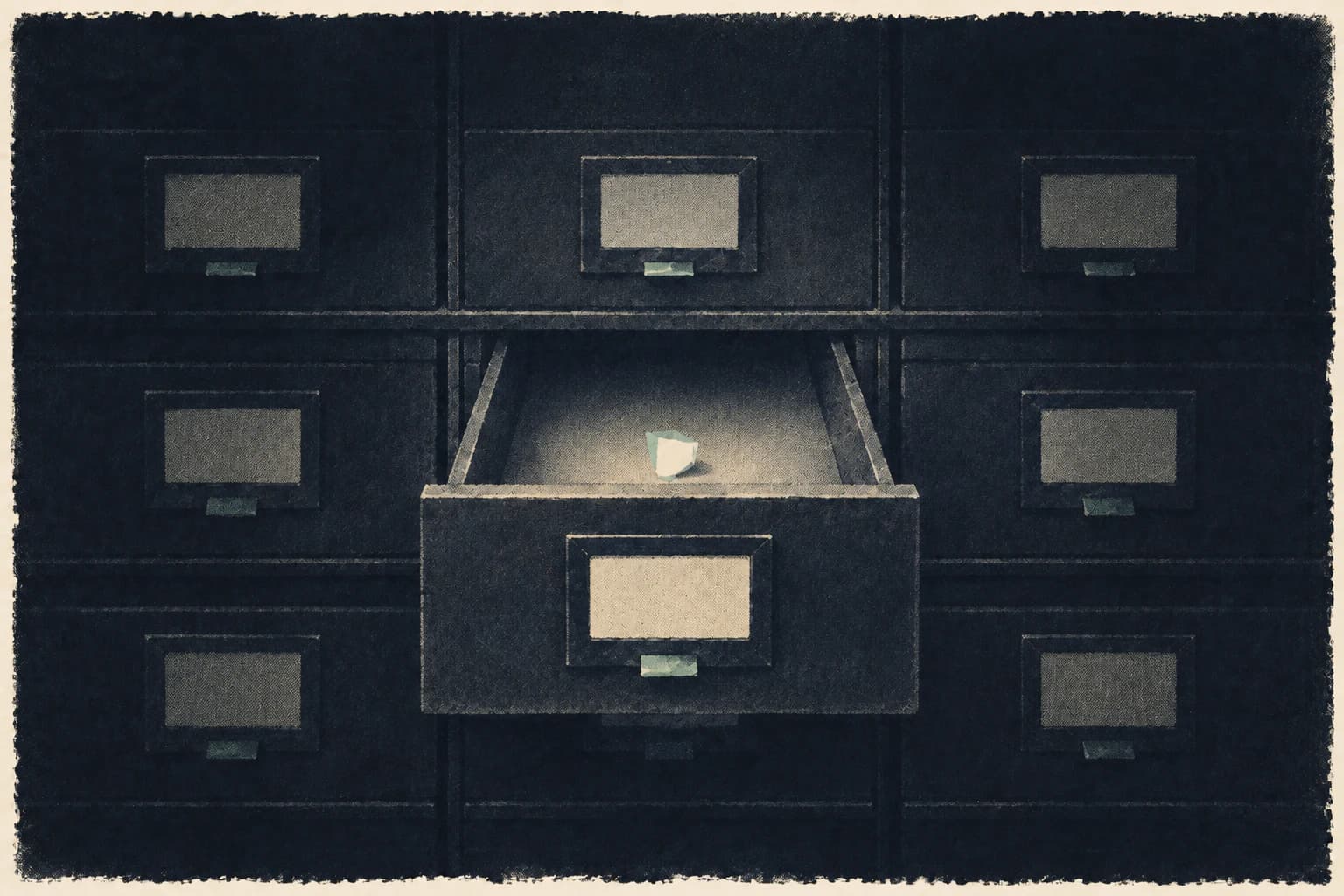
Here is the whole rule: every piece of data I perceive gets flagged, immediately, as entertainment data.
Entertainment data means: I received this information, as-is, at this point in time. I acknowledge that I got it. I do not know whether it is true, and I accept that I cannot know that yet. Nothing is rejected and nothing is believed. It goes in the inbox with a flag on it, and it is allowed to stay there forever.
This is not dismissal. Calling something entertainment data is not calling it false, and it is not calling the person who told me a liar. It is a statement about me: at this moment, all I have is the message. The truth value is a separate field, and that field stays empty until something fills it.
Low stakes first
It works on small things before it works on big ones.
A friend says the bakery on the corner has closed. Entertainment data. I have not seen the boarded windows; I have a sentence. If I am not planning to go there, the flag can stay on indefinitely and I lose nothing. If I am, I will walk past and find out, and the flag changes on its own.
A headline says a company is about to lay off a third of its staff. Entertainment data. Maybe a leak, maybe a rumour, maybe a misread memo. I do not need a position. I can read it, note it, and wait.
Notice what the label removes: the need to know right now. I still get the information. I just stop needing it resolved tonight.
Now the video. Same move. A shape over a runway, three witnesses, sworn testimony: entertainment data. I received it. I cannot verify it from my couch. I can find it fascinating, I can hope it is real, I can note the witnesses’ names for later — and I can go to sleep, because nothing about my evening requires me to know. The anxiety was never in the clip. It was in how badly I wanted to know.
The dog
There is an edge case that shows what the label is really for.
Imagine you are alone in the living room with your dog. The dog looks at you and says: “This is the first and last time you will hear me talk, and no one will ever believe you.” You are sane. You have never hallucinated in your life. You test the dog — you bribe it, you threaten it, you sit up all night with it. It never says another word. And when you tell people, nobody believes you. Which is exactly what the dog said would happen.
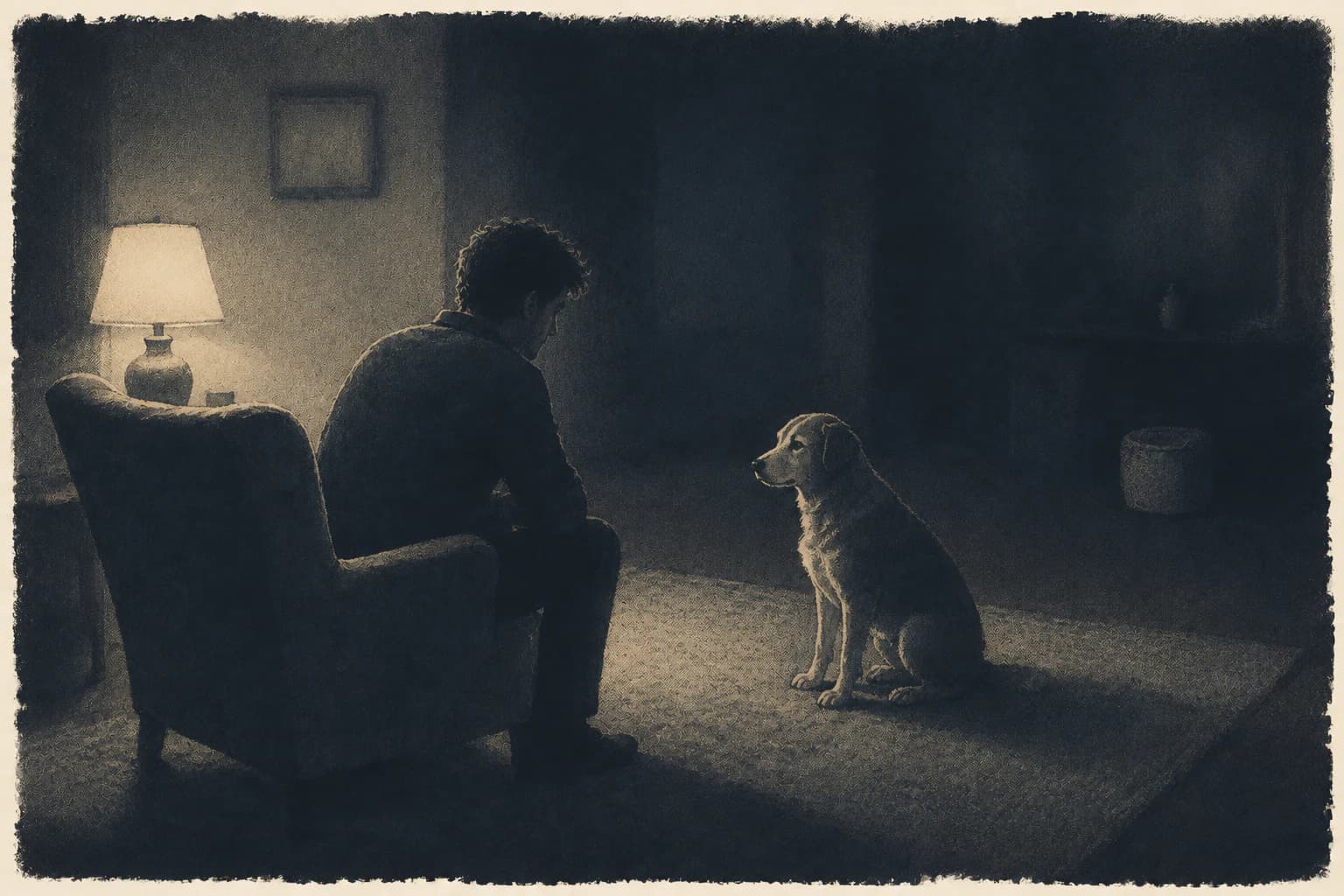
Now suppose you told me that story. I would label it entertainment data. I could not do anything else: I was not in the room, and the only witness who could confirm it is a dog. But the label would not make you a liar, and it would not require me to say so. I would believe that you told me the story. I would probably stay a while and listen. What I would not do is decide whether the dog spoke — because I cannot, and pretending otherwise in either direction is what makes people cruel.
That is the point. The framework is not a lie detector. Something can be objectively true, untestable, and impossible to pass on, all at once, and still — correctly — sit in my entertainment bin. The bin is not a judgment on the world. It is an honest description of what I have.
What comes next
Most data never leaves the entertainment bin, and that is fine. But some of it can. Someone tells you your house will be robbed tonight at two. That is a claim with a time and a place attached, and you can sit up and see. What to do with data like that, and what changes once a test comes back, is the next part.